


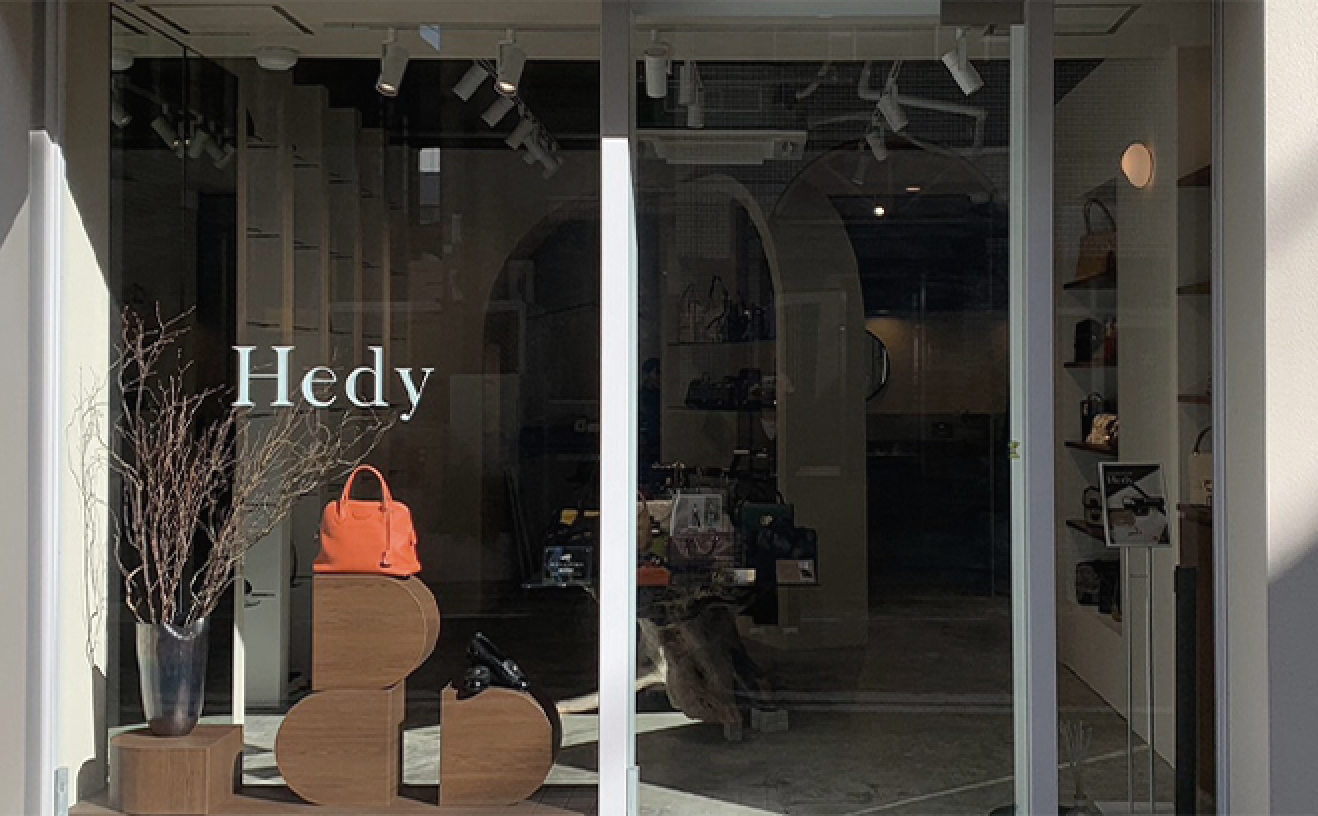
Hedy Daikanyama Store
26-8 Sarugakuchō, Shibuya-ku, Tokyo 150-0033
03-6416-4421
In this article, we will provide a detailed explanation of the word "vintage" for you who are wondering about the above.
First, let's look at the origin and meaning of the word "vintage."
The word "vintage" is derived from two words: the Latin "vin" and the French "tage." "Vin" means "wine," and "tage" refers to "harvest year." Thus, "vintage" originally referred to the harvest year of wine. Subsequently, it came to refer to wine from a good year when high-quality grapes were harvested, and now the association with wine has diminished, and it refers to "old, high-quality items" in general.
Generally, "vintage" refers to products or goods made at a certain time that have gained flavor and value over the years, possessing a unique charm. Vintage items reflect the technology and design of their era, possessing a unique character and historical background not found in modern products.
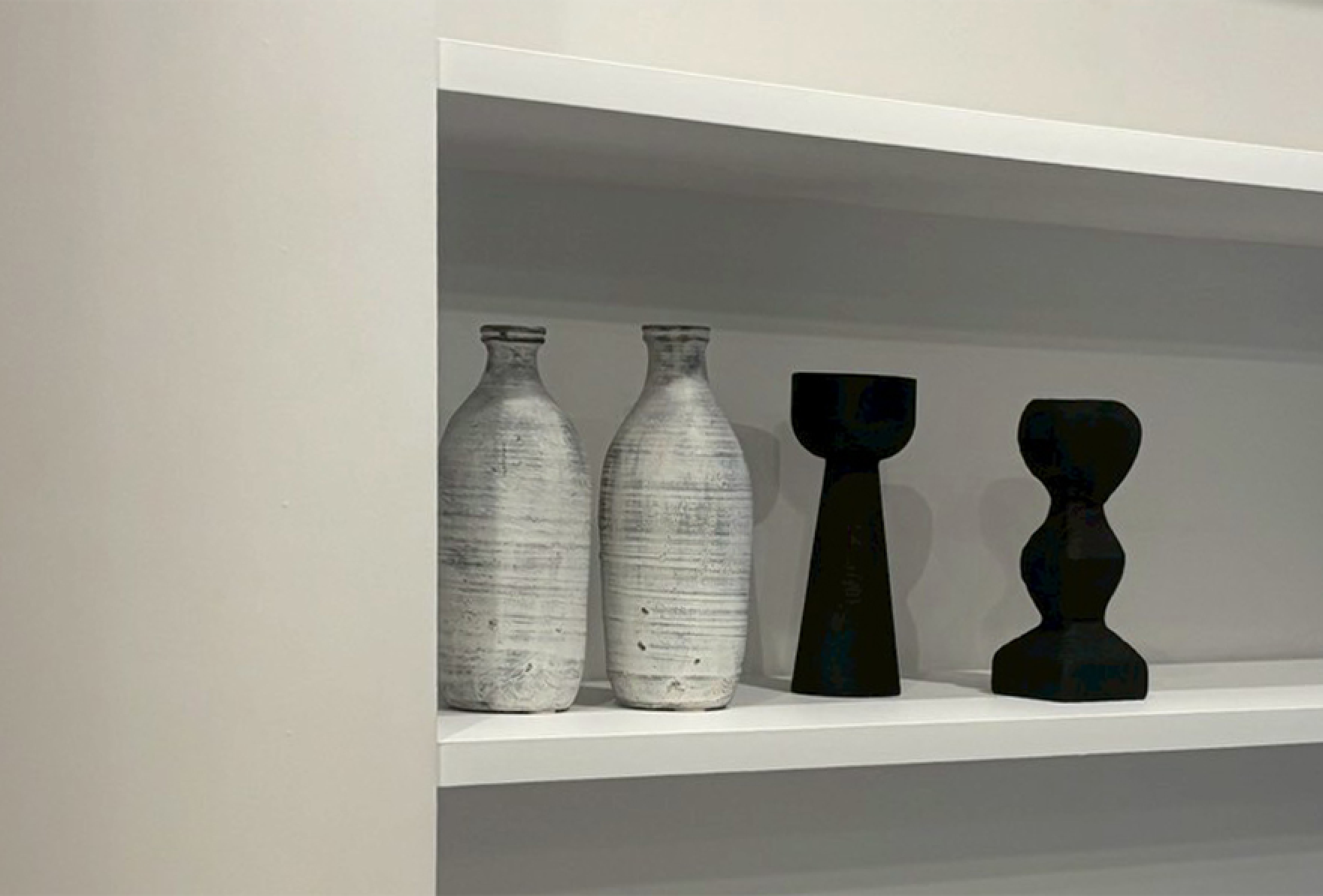
The word "antique" has a similar meaning to vintage, but it is strictly different. Antiques generally refer to items that are more than 100 years old. While vintage typically refers to items that are about 20 to 50 years old, antiques refer to older items. Therefore, antiques are often recognized for their historical and cultural value and are traded at high prices. For example, old furniture and curios are typical examples.
Unlike vintage and antique, the word "retro" is used for things that evoke nostalgia or charm when past styles and designs are viewed from a modern perspective. Retro does not necessarily refer to very old items; designs and styles from the mid-20th century (1950s-1970s) are often evaluated as retro. For example, retro home appliances, fashion, and interiors are some examples. Past styles are often re-evaluated from a modern perspective and gain new popularity, which is a major difference from vintage and antique.
The three words "vintage," "antique," and "retro" have similar but distinct characteristics. Vintage refers to items whose value has increased over a certain period, while antique refers to items over 100 years old. Retro refers to things that evoke nostalgia and charm for past styles and designs. Thus, vintage does not simply mean old; it refers to items made in a past era that have been re-evaluated and gained value in the present era.
Specifically, what conditions must vintage items meet to be
called "vintage"? Let's look at the definitions by category,
such as wine, high-end brands, and furniture.
Vintage in wine refers to wine made from grapes harvested in a specific year. The vintage of wine is a crucial evaluation point because the taste and quality of wine vary greatly depending on the climate and harvest conditions of that year, resulting in different characteristics even from the same winery every year. Therefore, vintage wines from good years are often traded at very high prices. However, not all wines with a vintage label are necessarily high-end.
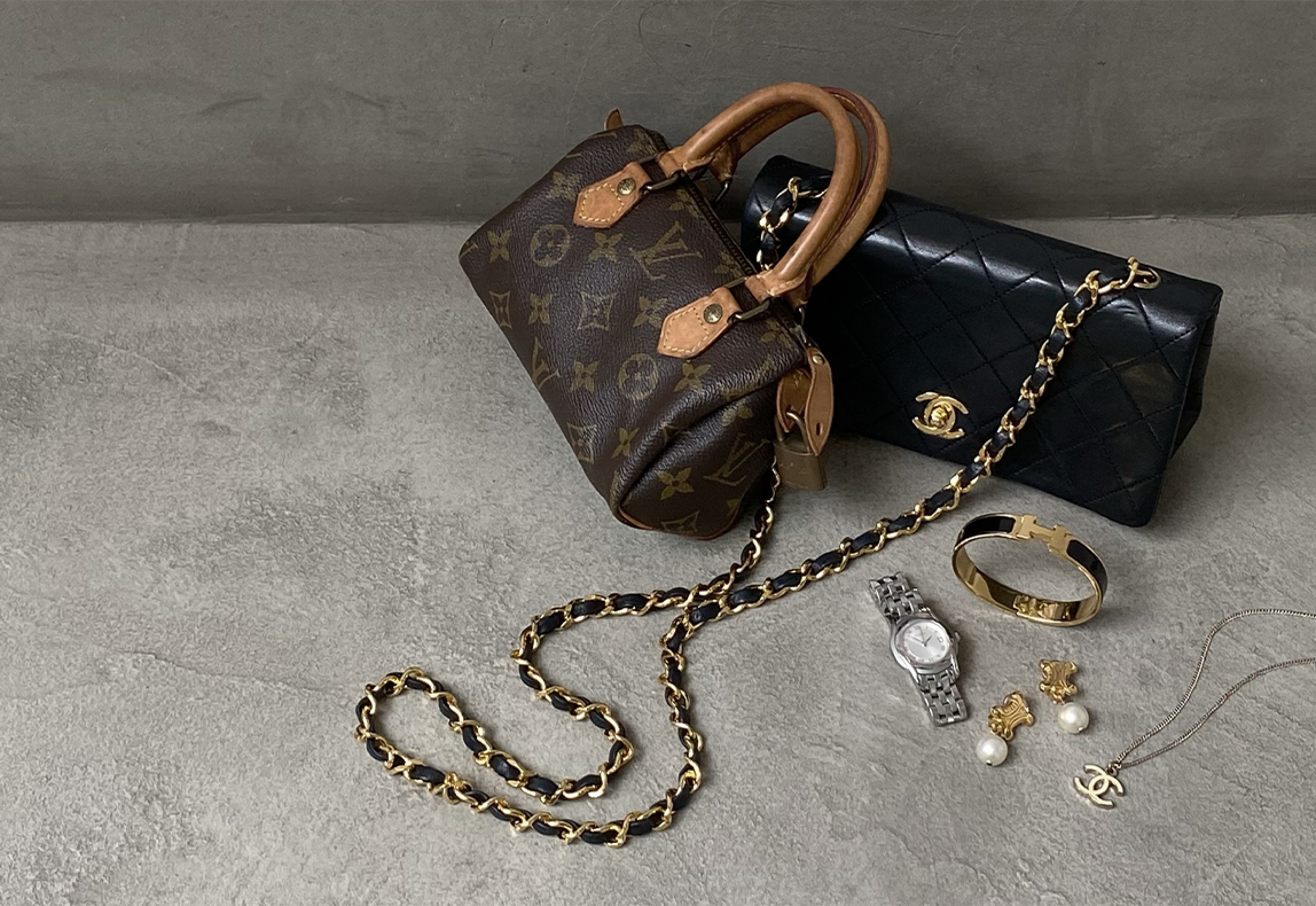
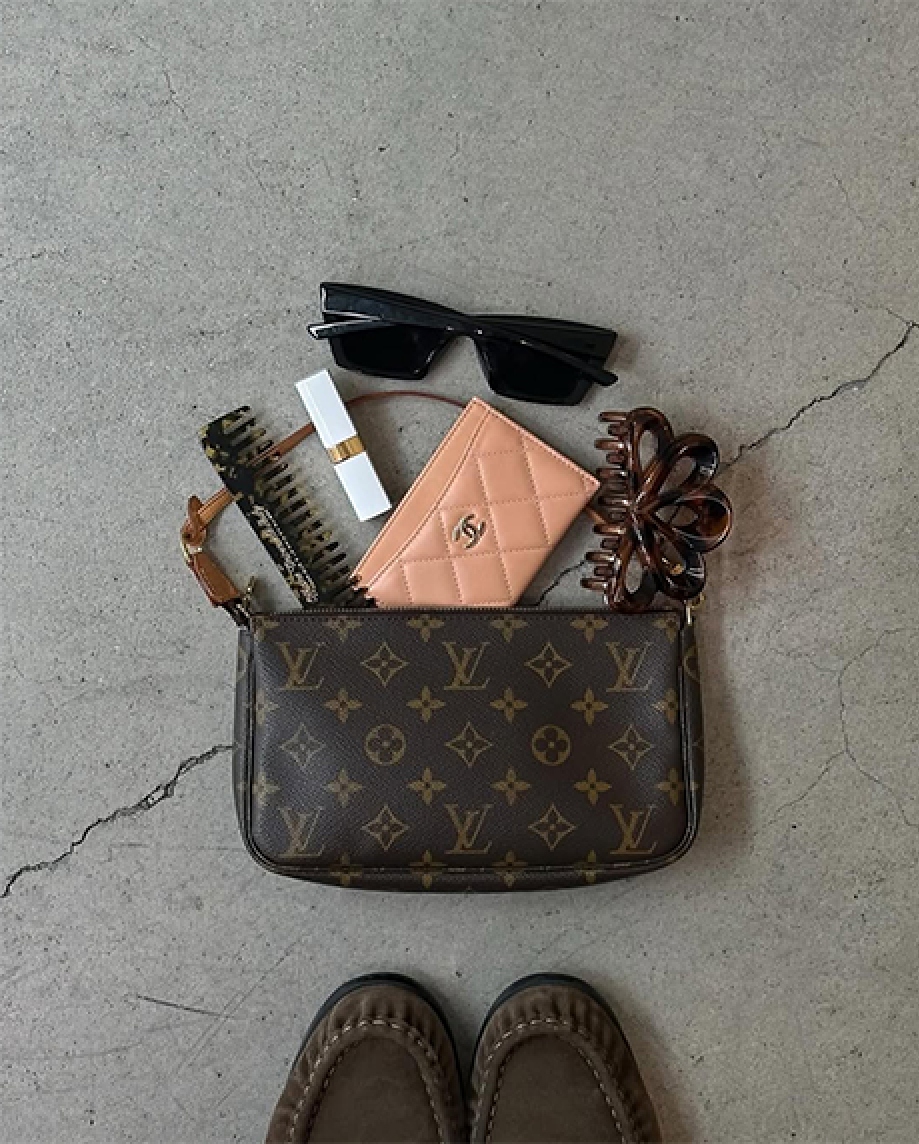
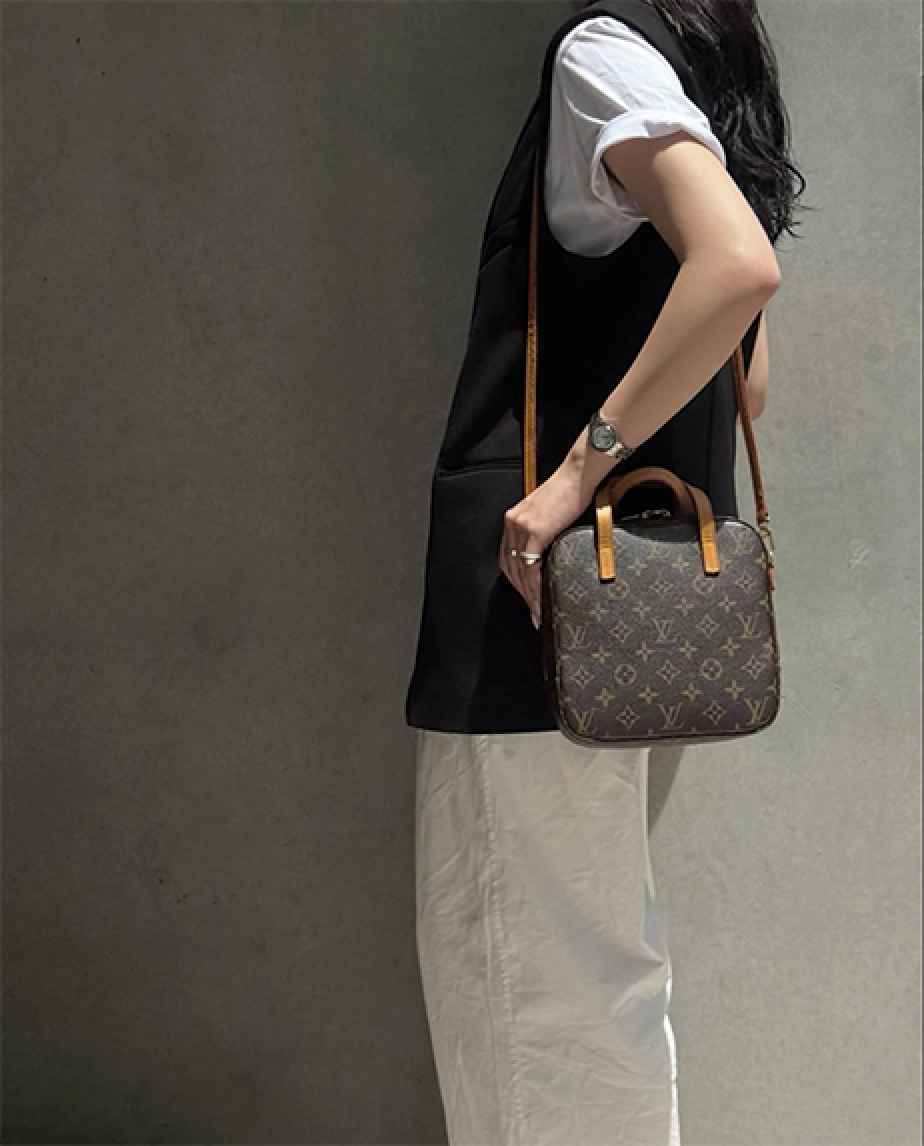
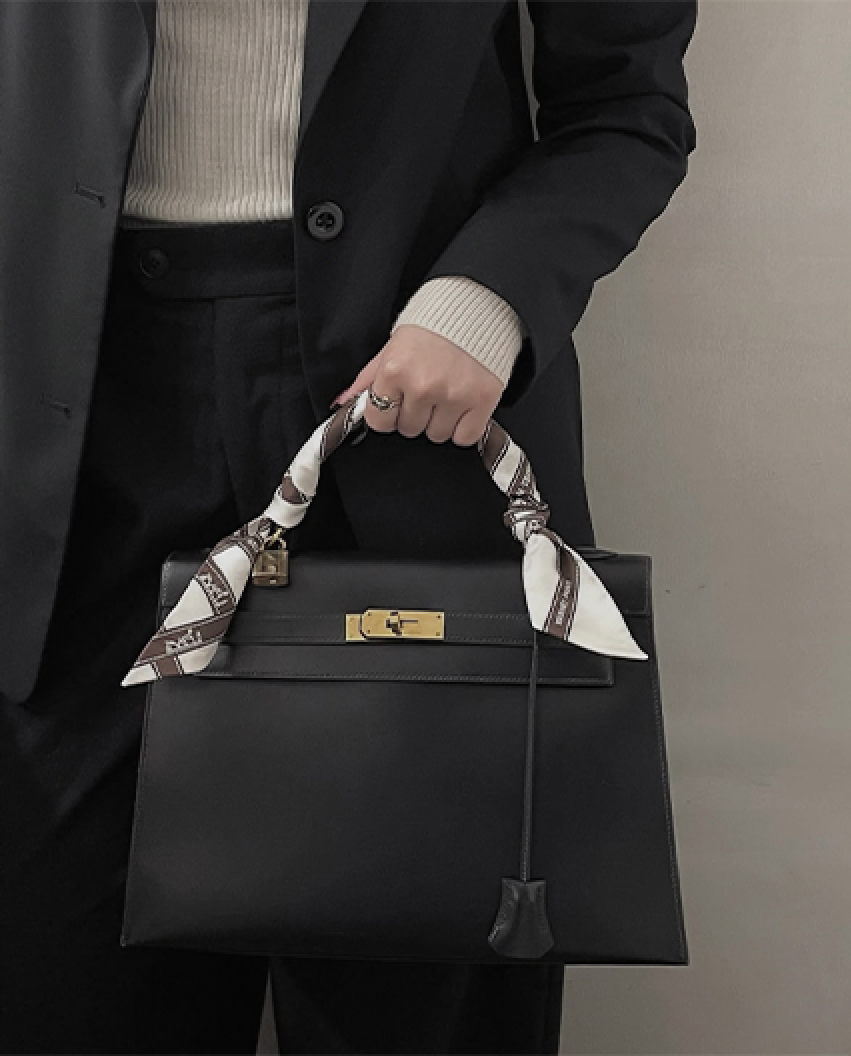
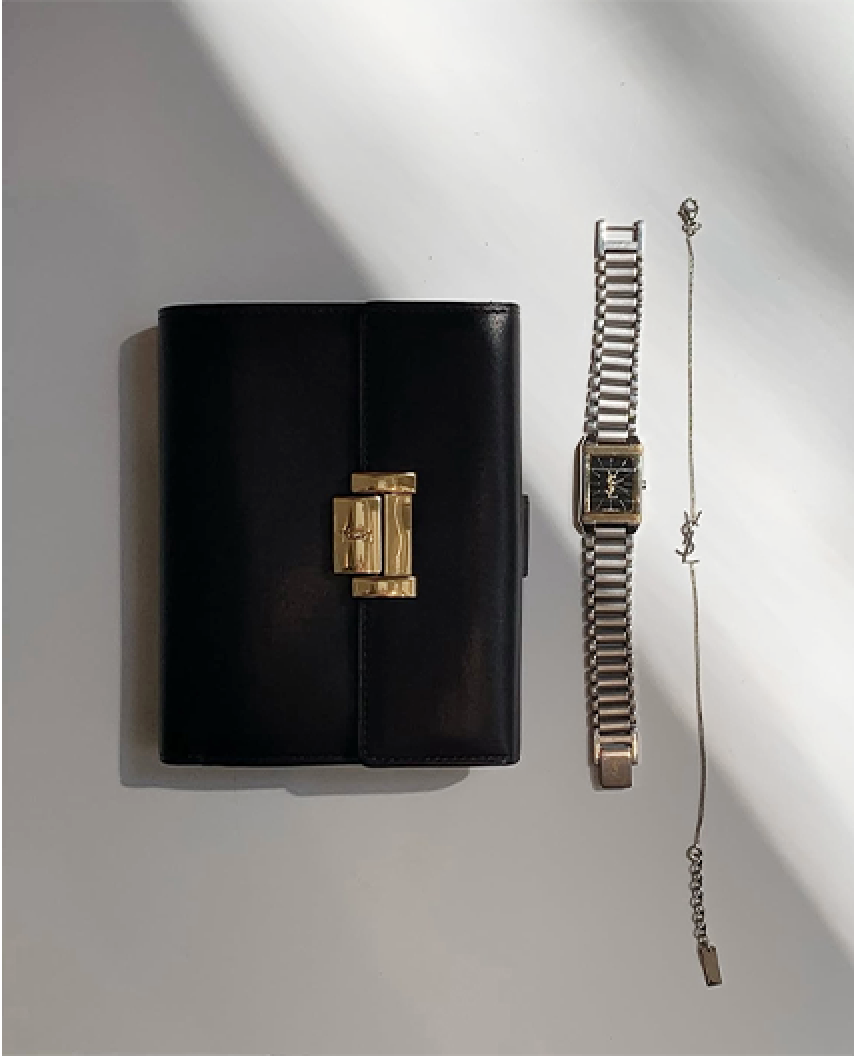
Vintage items from high-end brands generally refer to products that a specific brand manufactured in the past and are no longer produced or are extremely rare. There is no clear definition. For example, vintage Louis Vuitton or Chanel bags, and Rolex watches often increase in rarity and command premium prices as they age.
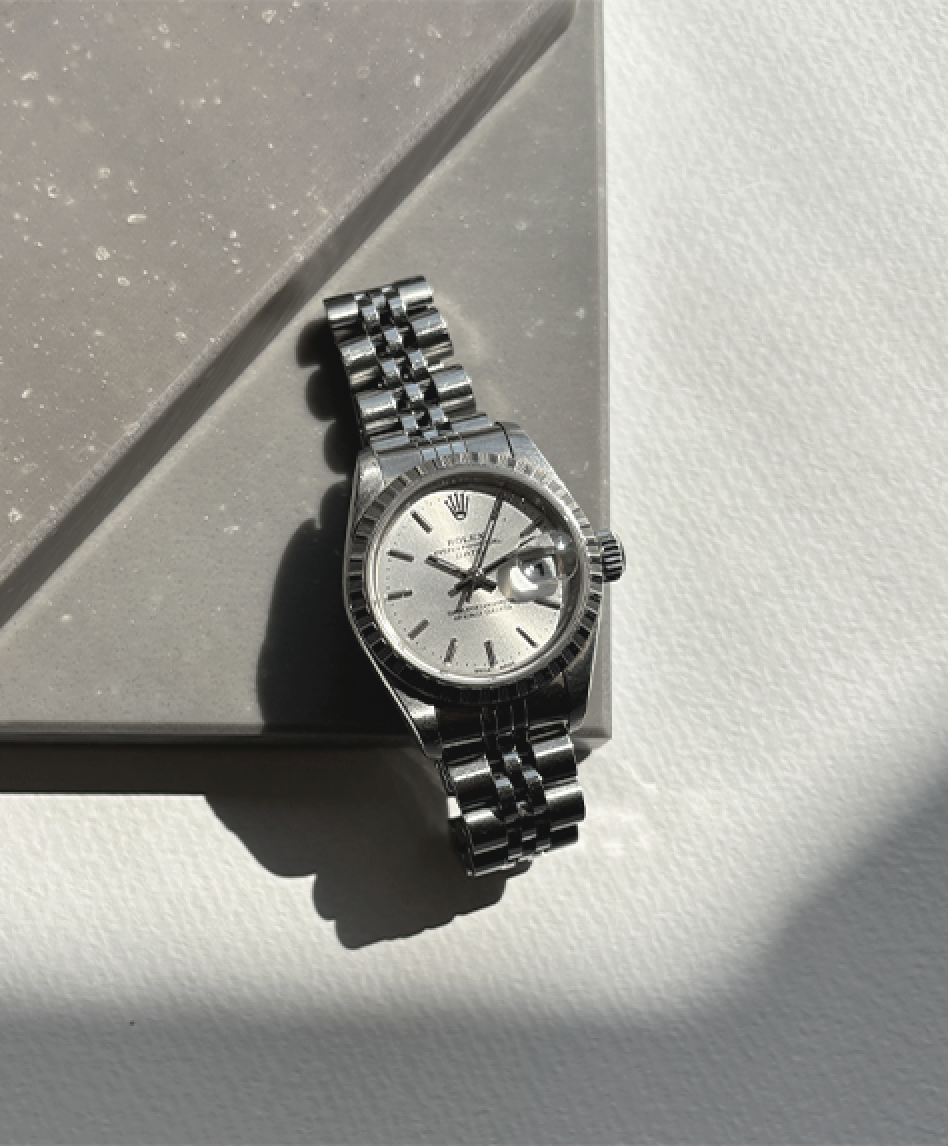

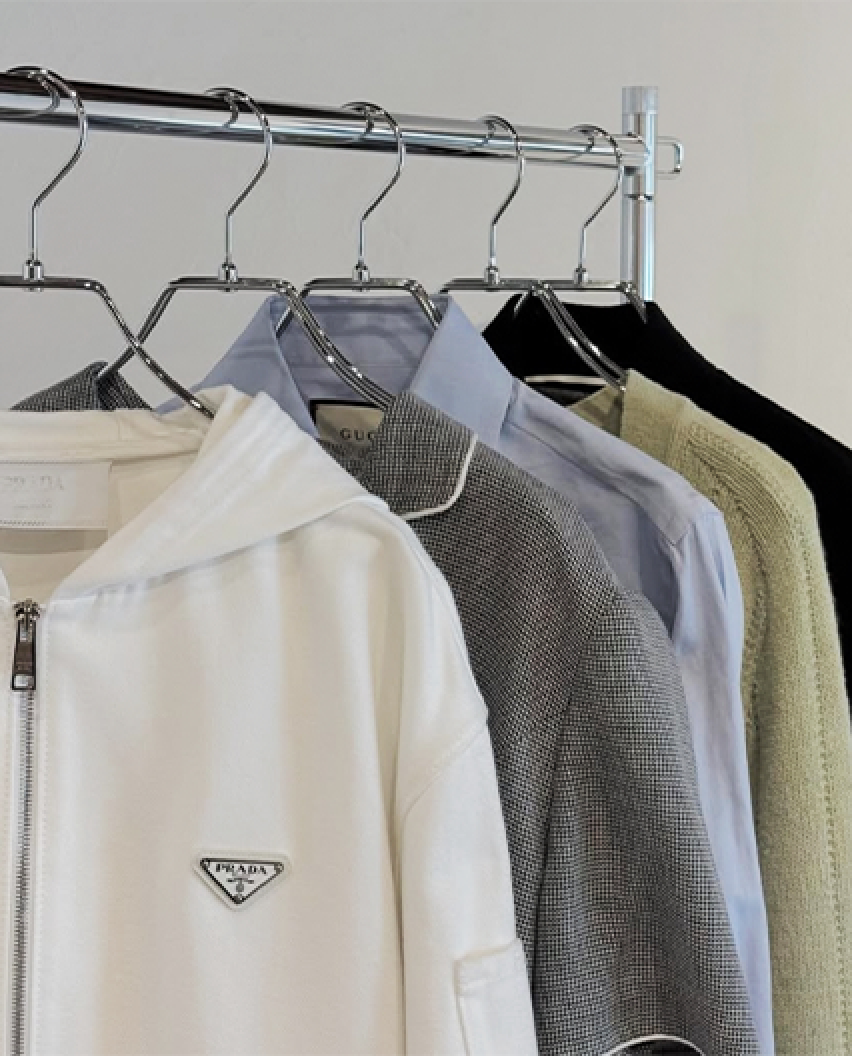
Vintage is used in various fields, not just for furniture, wine, and high-end brands, but also for movies, music, cars, and clothing. For example, vintage cars refer to cars from before the 1970s, and in music, old music media such as records and cassette tapes are sometimes valued as vintage items.
Vintage furniture typically refers to furniture manufactured more than 50 years ago. Designs from the 1950s to 1970s are particularly valued, with unique and functional designs by designers of that era being highly appreciated. Vintage furniture's appeal lies in its texture and material quality, which are not found in modern furniture, making it popular as interior decor.
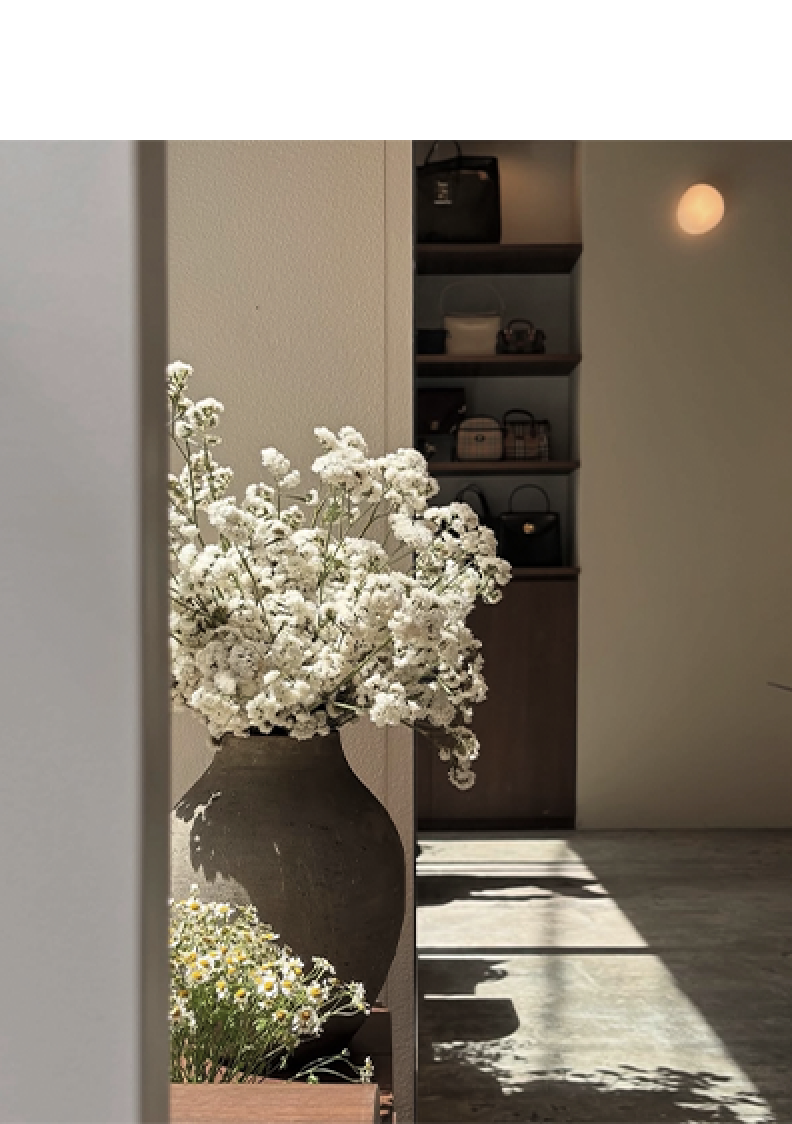
Vintage items hold many attractions.
Their value isn't simply because they are old, but because they possess a unique charm that comes with age.
This chapter explains the appeal of vintage items in detail.
Vintage items often possess a unique texture and atmosphere due to years of use or preservation. For example, old furniture, watches, and clothing have a beauty that has been polished by time. The addition of signs of use and aging creates an individuality not found in modern new items, making vintage items appealing to many people.
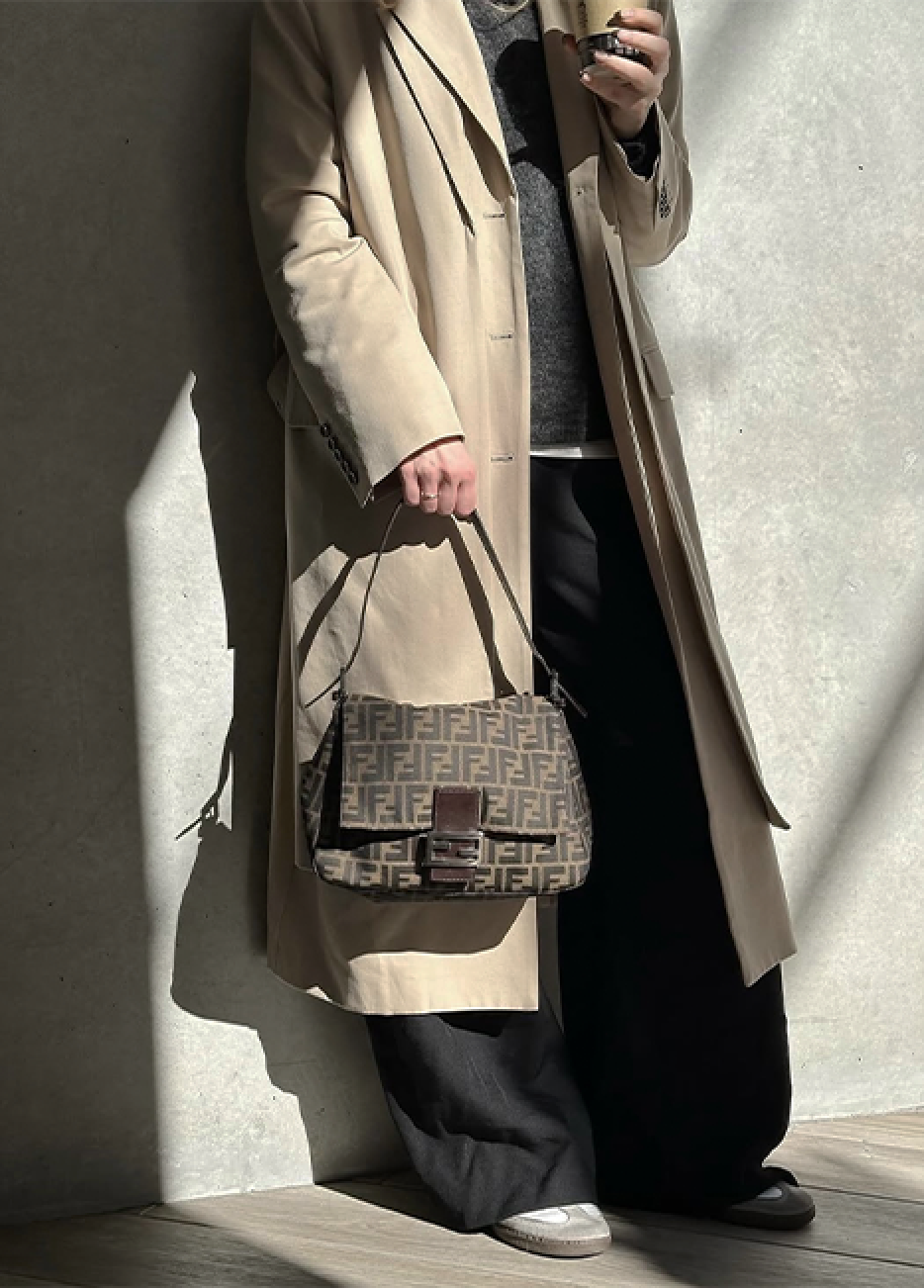
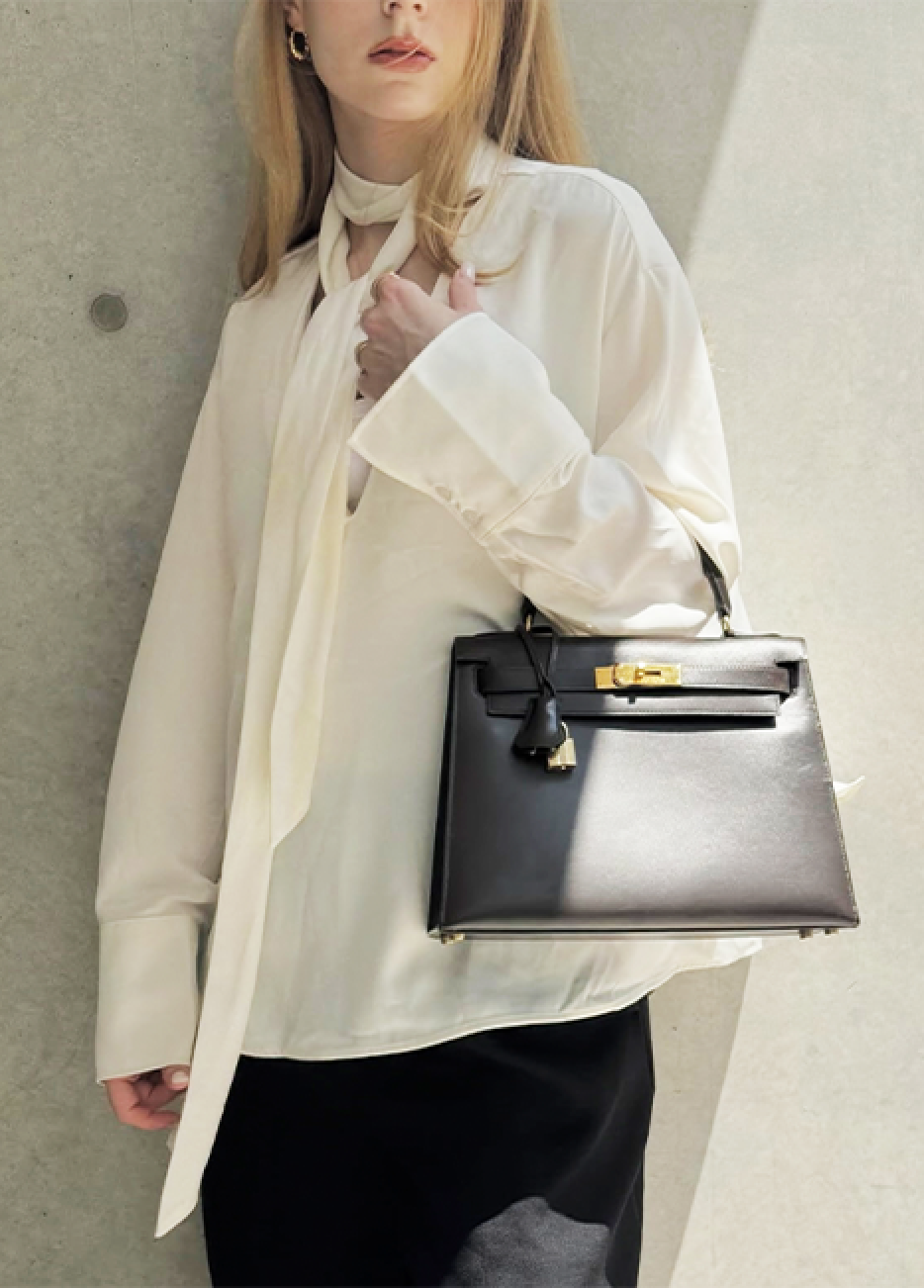
Vintage items are products from a limited era, making them less likely to be duplicated by others, which is a significant appeal. Especially in fashion and interior design, having something that few other people own makes it popular as a means of expressing individuality. Acquiring vintage items allows you to experience a special feeling that sets you apart from others.
Vintage items are often relatively inexpensive compared to new items. If you can enjoy the signs of aging, vintage items offer better cost performance than new items. Especially for wine, furniture, and clothing, vintage items are often available at a better price than new ones.
Vintage items can be purchased at specific shops or websites,
each with its own characteristics. Here, we introduce places to buy
wine, high-end brands, and furniture.
For purchasing vintage wine, specialized wine shops and online shops are convenient. High-end vintage wines are also sold at auctions and specialized vintage wine e-commerce sites. If you want to purchase reliable vintage wine in good condition, a specialty store is recommended. If you are a beginner and unsure about choosing wine, why not seek advice from staff at a specialty store?
Vintage high-end brand items can be purchased at specialized second-hand stores, select shops, and online shops. Especially vintage items from famous brands like Louis Vuitton, Chanel, and Hermès are often handled by luxury second-hand stores. Auction sites and vintage-specific e-commerce sites are also increasing, offering opportunities to acquire rare items. Prices for vintage high-end brand items vary greatly depending on the brand, age, and condition, so it's crucial to research thoroughly and consult expert opinions beforehand.
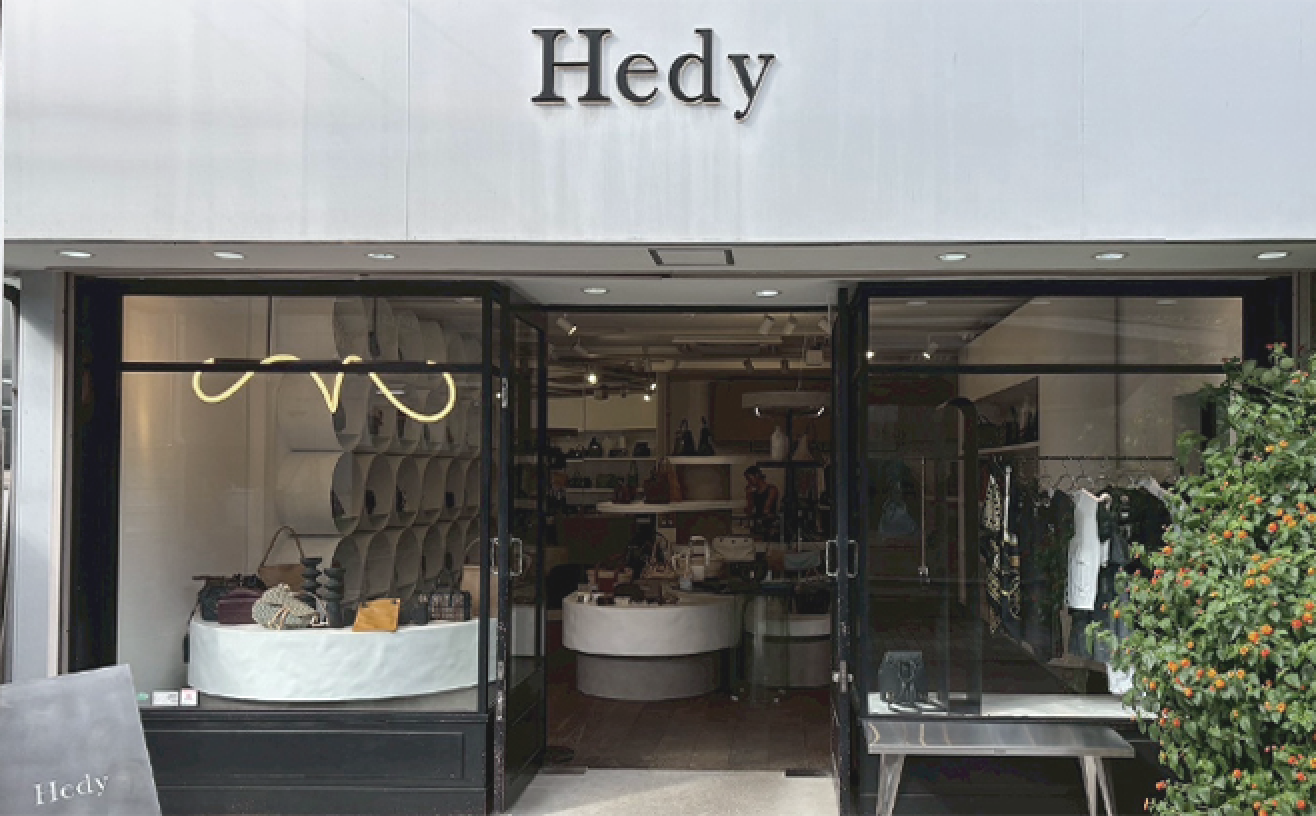
26-8 Sarugakuchō, Shibuya-ku, Tokyo 150-0033
03-6416-4421
1-14-2 Minamihorie, Nishi-ku, Osaka-shi, Osaka 550-0015
06-6567-8404
Koei Bldg 102, 1-13-17 Imaizumi, Chuo-ku, Fukuoka-shi, Fukuoka 810-0021
092-714-2128
Antique shops and vintage shops are common places to buy vintage furniture. These stores often specialize in collecting furniture from specific eras, with designer furniture from the 1950s to 1970s being particularly popular. The number of websites dealing in vintage furniture is also increasing, so you can find them online. However, since furniture is often used for a long time once purchased, it is recommended to confirm the actual condition and quality before making a purchase.

The word "vintage" originally meant "harvest year"
in wine, but it is now used in a broad sense across various fields to refer to
"items whose value has increased with age." Its charm is not merely that it is old,
but lies in the unique beauty and rarity that comes from the passage of time.
Vintage items possess value and charm beyond mere objects,
and acquiring them allows you to feel a beauty and story that transcends time.
Please enjoy the allure of vintage and savor its unique worldview.